
In September 2016, I started getting buddy boxes from the Blurt Foundation. They were a little thing to look forward to, a gift just for me. The buddy boxes were great at promoting selfcare and I began to realise how much this could help me. In fact I started to realise how much I had been ignoring my own care in the years before my depression was diagnosed 2.5 years ago and even through my treatment and management of it in the year plus following diagnosis. However, alongside the buddy boxes, I began making other positive changes, like finding a new 9-5, which helped set-up 2017 as a year to tackle selfcare.
I read that Jane and the team at Blurt had started a campaign for selfcare that October; #365daysofselfcare. By the end of December I was in that reflective/resolute type of place and I decided to start the challenge on the first day of the year. Not much thought other than, this might be good for me, went into it. I didn’t think about how it would be a whole year (even though the name of the challenge gives that away), and I didn’t think of the real impact it might have on me, let alone on others.
Friends, loved ones, strangers alike have asked questions throughout the year, like:
- Why are you doing this?
- What does it mean to you?
- Are you finding it easy?
- Will you keep doing it?
- Should I do it?
Answers have varied, but mostly;
- Because I need to.
- Right now? Everything.
- Nope. Well sometimes, but more often it’s a slog.
- I did. I’m so very glad I did.
- If you want or need to. In fact, if you don’t think you need to then maybe do it anyway. Prove to yourself that you’ve got selfcare down. And then tell me the secret.
You don’t need to be depressed to need selfcare. Everyone needs care, love, kindness – and if you can give it to yourself then that’s the greatest gift ever. To not just survive, or slap a smile on. To recognise what you need, ask for it, get it, give it. That’s what selfcare is about. It’s not about how much you spend. It’s not always about bubble baths and facials – although sometimes, that is the care that you need. On my worst days it’s about letting myself be cared for, doing the bare minimum but the minimum that will help – which can include just getting up to brush my teeth. It’s about recognising what you need and giving yourself the permission to have that.
On the best days, that has meant making the most of everything around me, spending time with my loved ones or happily on my own. On bad days it was about listening or reasoning what I needed as a bare minimum. At my worst this year, I went through two weeks of panic attacks due to a change in medication where I didn’t listen like I needed to. I finally reasoned with myself that I couldn’t wait another two weeks for the appointment I had with my doctor. I listened because it’s not what I would have let anyone go through if I’d known it was them not me experiencing the panic.
The bad is horrific but the good is great. Selfcare has enabled me to learn and remember how life is both, how I can be both or multiple inbetweens. My lowest points don’t have to define me.
That is this biggest lesson of all that selfcare has taught me. That I can be a good writer and have depression (I know I am not alone there!), that I can be a writer and have a career in marketing too, that I can have a career in anything and have depression. Because if I care enough about myself then I can achieve whatever I damn please, in spite/because of/independent of having depression.
If you’re thinking of doing #365daysofselfcare, I’ve got a few tips.
- Go into it open hearted and with a growth mindset. Or be willing to grow.
- Want some knowledge and/or support from the experts? I suggest reading Daring Greatly by Brené Brown (vulnerability goes hand in hand with recognising you need to care more, she’ll help. I also suggest her latest book, Braving the Wilderness. Watch her Ted talk if you’re unsure), The Selfcare Project by Jayne Hardy (I wish I’d had this in the beginning. I’m reading it now and it’s teaching me loads and helping me recognise what I’ve achieved in this year), and lastly, if you’re a creative type then Big Magic by Elizabeth Gilbert.
- You can do selfcare in whatever way works for you. You can do it for a year and keep a diary of it. Like me, you could post photos and comments on it on social media. You could just tweet or write statuses. I only suggest doing this on a platform which you find supportive. For me, I am glad I did it on Instagram because I’ve found people like makedaisychains (who helped so much with her #boringselfcare drawings) kay_ska, and planetprudence. But do what works for you.
- Don’t be afraid to not post. It helps, it really does, to physically put out into the world what you’re doing, but also it’s just as fine not to. I found by around half way through that it helped me more to be offline. So that meant I did catch-up posts, because even though I wasn’t posting, I was still doing the selfcare.
- Not sure where to start? Check out this free starter-kit.
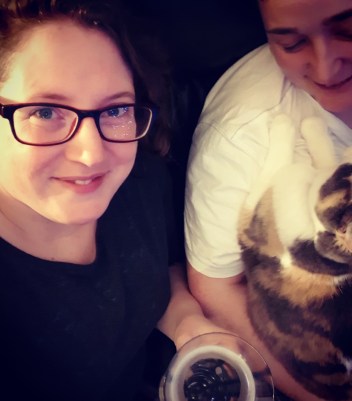
So, that’s it. I’m ending this year, in my pyjamas with a glass of prosecco in hand, and a smile on my face. I’ve looked at all my photos and I can’t pick my best. Each day has helped me, and I hope the next year of selfcare helps you too.

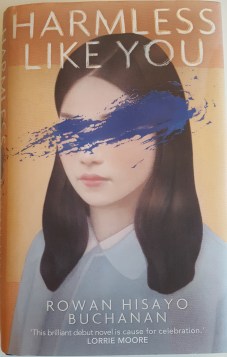
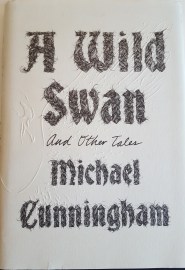
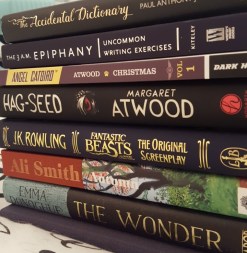
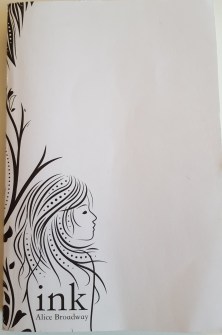


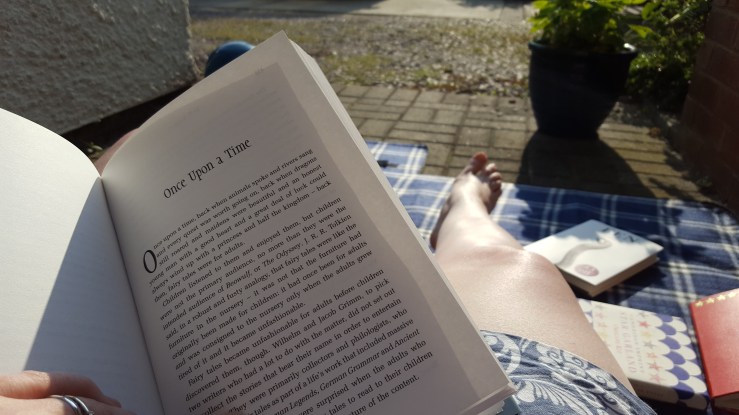


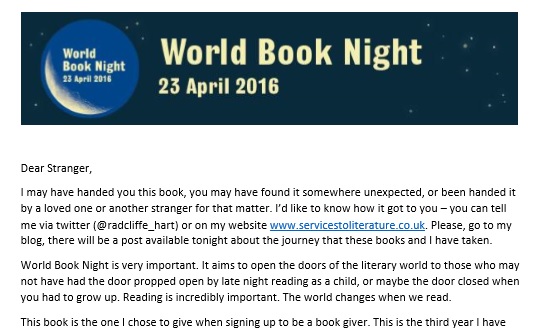
 World Book Night is here again! I’m so pleased and proud to be a volunteer book giver for the third year in a row. Two years ago I started bold; talking to strangers on a quiet night at my local pub about reading and Jeanette Winterson’s Why Be Happy When You Could Be Normal? Last year I went even closer to home, reaching out to non readers at my 9-5 with Sarah Winman’s When God was a Rabbit. This year is personal in a different way.
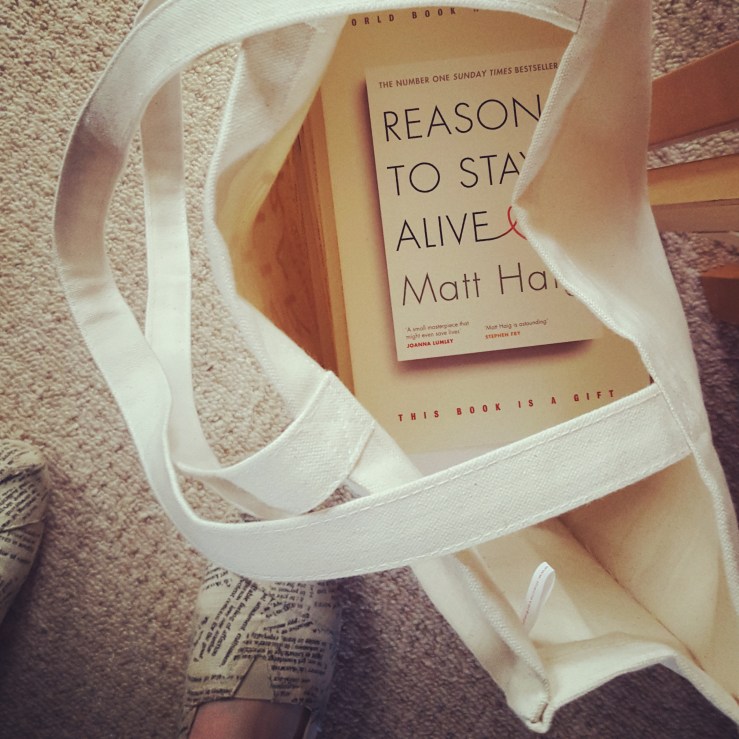 To end this on a lighter note, I’d like you to imagine me out there with these books. I have been ill with a cold/flu bug this week which has left me with no voice. I can only whisper. Imagine me walking around a nearby town, wrapped up in a ridiculous number of layers, speaking to strangers in a whisper about depression and reading. I’d laugh already but that might start a coughing fit.
 I first went to the opera eleven years ago. I vividly remember the train journey into London, the panic on my then-girlfriend-now-wife’s face as we arrived late to find the doors closed, the view from our first seats and the move to our actual seats during the interval, the little bar in Covent Garden where we drank champagne and de-constructed ourselves on our first valentine’s. I do not remember anything about the opera itself.
 This to me is the most wonderful of gifts. My parents purchased this for me for my birthday at the start of February. Having enjoyed the last exhibition on the Gothic Imagination, and the current one on the anniversary of Alice in Wonderland, the prospect of a year of opportunities there does make me extraordinarily happy, along with the chance to make the most of the member’s room when a spare seat in a peaceful place to write is needed. If you want to find out more, visit
 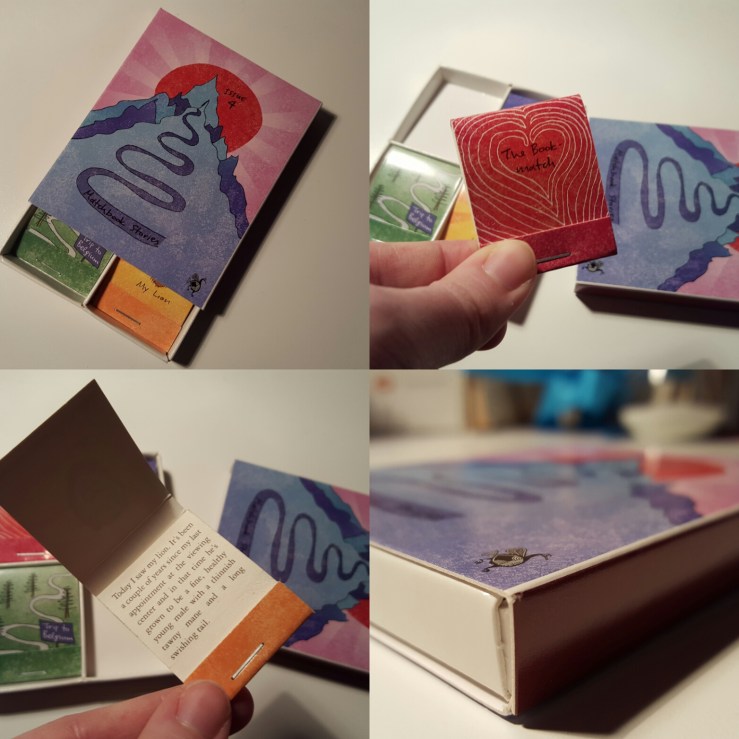 The latest issue (number four) of Matchbox Stories arrived exquisitely packaged up from Book Ex Machina. I will be honest, this was an on a whim purchase but I’m so pleased I did. The four tiny stories by Ali Smith, Etgar Keret, Marti Leimbach and Frances Gapper are brilliant. Full of wit and wonder, these micro-tales left me thinking. Thinking of all the possibility there is in so few words, and the power that can be contained in no more than five sentences. If you’d like your own set then
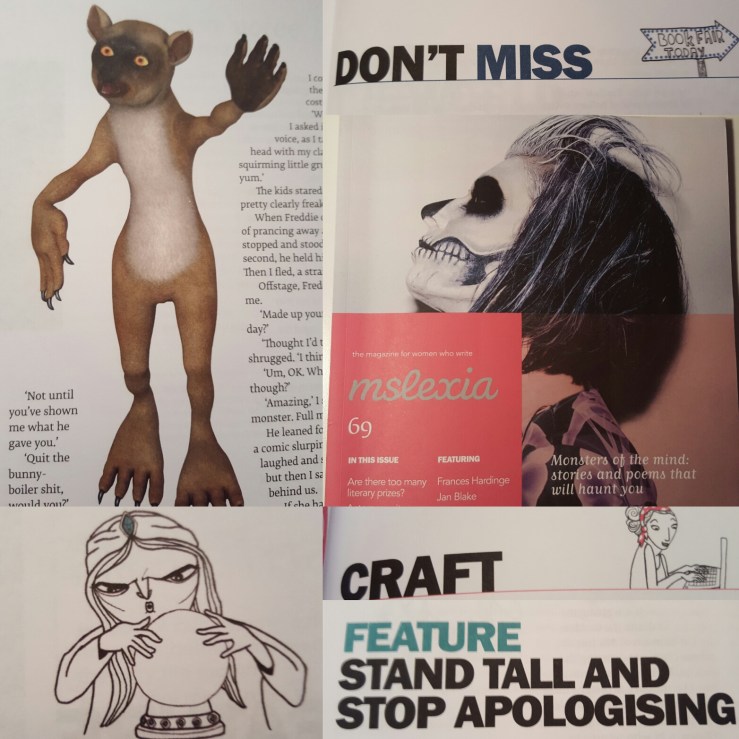 I have been subscribed to Mslexia for a good few years now. I’ve seen them refresh their design before to ensure they stay engaged with their readership and this one is no different; beautiful inside and out. It offers features which cut into what the industry and writers are thinking about, how-to advice from exercises to inspire to ways to reconnect with your writing and reading communities. The showcased stories are always worth reading – this month, Ana Salote’s left me chilled as the layers of meaning sunk in.
  Services to Literature
You must be logged in to post a comment.